
· 8 min read
Modern Solutions for HOA & Residential Community Management
Learn how today’s HOAs and residential community managers use communication tools, automation, and smarter workflows to run more transparent, responsive communities.

Introduction
Managing a homeowners’ association (HOA) or a residential community is a balancing act – you’re not only overseeing physical property, but also serving a community of people with diverse needs and opinions. Traditionally, HOA management has involved stacks of paperwork, bulletin board notices, and perhaps the dreaded three-hour board meeting hashing out issues.
But it’s 2025, and things are changing for the better. Modern technology and management strategies are streamlining HOA and residential management, making it more efficient, transparent, and responsive to residents. In this article, we’ll explore how tools like all-in-one management software, mobile apps, and automation are alleviating common pain points for HOAs and residential property managers.
We’ll also cover best practices that leverage these tools – such as maintaining effective communication, simplifying dues collection, enforcing rules fairly, and engaging the community. Running a community association comes with challenges: ensuring compliance with bylaws, handling maintenance and vendors, preparing financials, addressing homeowner concerns – often as volunteers or small teams. The good news is that the right approaches and tools can lighten the load significantly.
What “modern” HOA management really means
It’s not about adding complexity. It’s about reducing repetitive work, keeping residents informed, and creating a clear, consistent process for requests, payments, maintenance, and decision-making.
Streamlining Communication and Transparency
Communication is the lifeblood of any community association. Yet, many HOAs struggle with outdated methods – flyers stuffed in mailboxes, sporadic email threads, or messages that never reach everyone. Modernizing communication delivers fast payoffs: fewer misunderstandings, fewer repeat questions, and a stronger sense of trust.
Centralize updates with a portal or mobile app
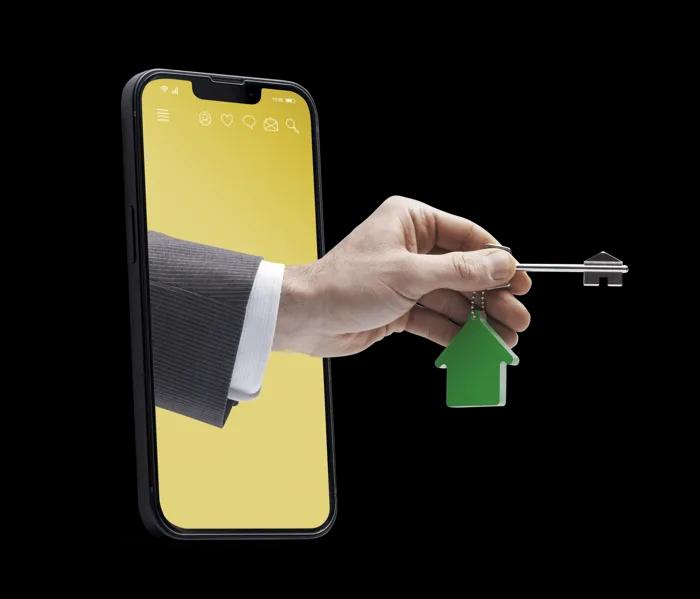
One of the best moves is adopting a dedicated HOA communication platform or portal. With a portal or app, you can post announcements (for example, “Pool will be closed next Saturday for repairs”), and residents receive notifications right away – reducing the classic “I didn’t see the notice” frustration.
Many platforms also support two-way communication: residents can ask questions or comment, and the board or manager can respond publicly or privately as appropriate. That consistency builds transparency and creates an archive of information that residents can reference later.
Make information easy to find (and hard to misunderstand)
Meeting minutes, governing documents, rules, and forms can live in one place, accessible anytime. As a best practice, share key outcomes and reminders consistently (e.g., “Board approved new landscaping contract in April meeting – see minutes”). When the “source of truth” is easy to access, rumors have less oxygen.
Practical example
Instead of fielding multiple calls about pool hours, trash pickup, or amenity rules, a community app can keep answers readily available and updated—freeing up time for higher-value work.
Close the loop with request tracking
Transparency isn’t just about pushing information out. It’s also about letting residents report issues and see progress. Many systems allow residents to submit a request (often with photos), and then view status updates as it moves from “received” to “in progress” to “resolved.”
Run more inclusive meetings and decisions
Hybrid meetings (in-person + Zoom) often increase participation. Even if formal votes must follow bylaws and local requirements, online surveys can help gather feedback before decisions, making residents feel included without compromising governance.
Support language accessibility when needed
If your community is multilingual, consider simple language plus translated announcements for critical updates. The goal is clarity, not complexity: fewer misunderstandings means fewer escalations.
Key takeaways
- Use a central portal/app to reduce missed communications.
- Publish minutes, rules, and FAQs to build trust and reduce rumors.
- Track requests and work orders so residents can see progress.
Simplifying Financial Management and Compliance
Managing HOA finances can be one of the most demanding responsibilities: collecting dues, paying vendors, funding reserves, and staying compliant with bylaws and local rules. Modern tools reduce errors, improve cash flow consistency, and make reporting simpler for boards and managers.
Make dues and fees easy to pay (and easier to track)
Online payments—ACH/bank draft, card payments, and scheduled autopay—help reduce late payments and eliminate manual processing. When payments are recorded automatically, the treasurer or manager spends less time reconciling and more time overseeing the community.
Automated reminders can notify residents ahead of due dates and after grace periods, reducing awkward, personal follow-ups. You can still support check payments, but digital options generally improve on-time performance.
Generate board-ready reports without spreadsheet chaos
Integrated reporting makes it easy to produce income statements, balance sheets, and budget vs. actual views without heavy manual work. When board members can view up-to-date reports, it increases transparency and helps the board spot trends early (like vendor cost overruns).
Use consistent workflows for rule enforcement
Rule enforcement is easier when it’s consistent and documented. Systems can log violations with photos, standardize notices, track escalation steps, and maintain an audit trail—helping protect the association from claims of selective enforcement.
Keep documents and records organized for continuity
Digital document management helps ensure records are retained and easily accessible during board turnover or management changes. Permissions can restrict sensitive financial or resident information to authorized roles.
Track vendors, renewals, and compliance deadlines
Vendor contract renewal reminders, insurance certificate tracking, and task scheduling can help prevent the common “we forgot to…” moments. These small operational improvements reduce risk and create a more professional experience for residents.
Best practice
Publish a simplified monthly or quarterly financial snapshot to residents. Clear reporting reduces suspicion, improves buy-in, and helps residents understand how dues support the community.
Fostering Community Engagement and Participation
HOAs aren’t just budgets and maintenance—they’re communities of people. Engagement helps reduce conflict, improve compliance, and build a neighborhood residents are proud of. Modern tools can make engagement easier to organize and more inclusive.
Promote events and participation with a community calendar
A shared calendar in a portal (with reminders) can increase turnout for events and meetings. You can poll residents for preferences, manage RSVPs, and share follow-ups such as photos or recap notes to keep momentum.
Make volunteering clearer and more approachable
It’s often difficult to recruit board members and committee volunteers. A portal can help by clearly outlining what each committee does, the expected time commitment, and how residents can get involved—turning “volunteer fatigue” into manageable participation.
Use friendly recognition to build pride
Small programs like “yard of the month” or welcoming new residents (with permission) can humanize the HOA and encourage neighborly connection. When people associate the HOA with community pride—not only enforcement—sentiment improves.
Encourage ideas and feedback in a structured way
A moderated suggestion box or discussion area can help surface resident ideas—while keeping communication respectful. When residents see suggestions acknowledged and evaluated, they feel more invested in the community’s direction.
Educate residents to reduce friction
Many conflicts happen because residents don’t understand how rules or budgets work. Short, plain-language posts like “Where your HOA dues go” or “Why architectural guidelines matter” can reduce misunderstandings and prevent repeated debates.
Key takeaways
- Engagement improves satisfaction, cooperation, and community pride.
- Modern tools make events, volunteering, and feedback easier to manage.
- Education reduces conflict by aligning expectations.
How ExelonProp Helps
Bringing all these improvements together is much easier with the right platform—and that’s where ExelonProp can support HOA and residential community management. With a community portal and mobile app, boards and managers can share announcements, streamline requests, and keep residents informed consistently.
ExelonProp can also help simplify dues collection with secure, flexible payment options and automated reminders, reduce administrative workload with standardized workflows, and improve transparency with dashboards and report access based on permissions.
The goal isn’t “more tech.” It’s less manual work, more clarity, and a better resident experience—so boards and managers can focus more on building a thriving community.
Conclusion
Managing an HOA or residential community will always involve differing opinions and occasional conflict. But modern tools and best practices can reduce friction and make the work far more efficient and transparent.
When communication improves, residents feel informed and heard. When finances and compliance workflows are streamlined, boards reduce risk and strengthen trust. And when engagement is prioritized, communities become more cooperative—and more enjoyable places to live.
Technology is a means to an end: a well-run, harmonious community. With consistent use and a little resident education during rollout, many associations find that even residents who were initially hesitant come to appreciate simpler payments, clearer information, and faster responses.
Sources
- TownSq — townsq.io (opens in a new tab)
- Vantaca — vantaca.com (opens in a new tab)